
You flip the switch expecting the familiar grinding sound, A garbage disposal not working is one of the most frustrating kitchen problems. You flip the switch expecting the familiar grinding sound, but instead—nothing. Or worse, you hear a loud humming noise but the blades won’t spin. Before you panic and call for expensive repairs, there are several simple troubleshooting steps Portland homeowners can try to get their disposal back in action.
Garbage disposals are incredibly convenient kitchen appliances, but like any hardworking equipment, they can experience problems. The good news? Many common garbage disposal issues can be resolved quickly with basic tools and a little know-how.
In this comprehensive guide, we’ll walk you through the most common reasons your garbage disposal isn’t working, step-by-step troubleshooting instructions, essential safety precautions, and preventive maintenance tips to keep your disposal running smoothly for years to come.
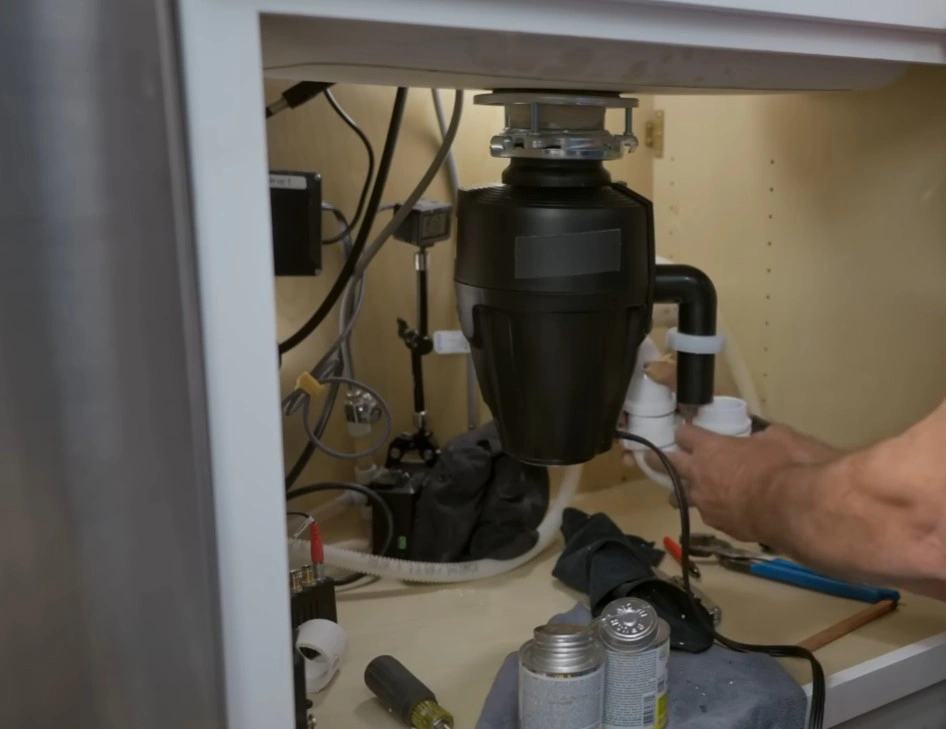
Safety First: Essential Precautions Before Troubleshooting
Before attempting any repairs on your garbage disposal, always prioritize safety. The blades inside your disposal can cause serious injury, and electrical components pose shock hazards.
Follow these critical safety steps:
- Turn off the power: Flip the wall switch to “off” and unplug the disposal from the outlet under the sink. If it’s hardwired, turn off the circuit breaker at your electrical panel
- Never use your hands: Always use long-handled tools like pliers or tongs to remove objects from the disposal
- Wear protection: Use gloves and safety glasses to protect against sharp edges and debris
- Use a flashlight: Shine a light down the drain to identify any visible obstructions before proceeding
- Test the power: After turning off power, test the wall switch to confirm electricity is disconnected
With safety measures in place, you’re ready to diagnose and fix the problem.
Common Problem #1: Garbage Disposal Won’t Turn On At All
Symptoms
You flip the switch and nothing happens—no sound, no vibration, complete silence.
Likely Causes
- Power disconnection
- Tripped circuit breaker
- Tripped reset button
- Faulty wall switch
- Loose electrical connections
Troubleshooting Steps
Step 1: Check the Power Connection
Look under your sink and ensure the garbage disposal is plugged into the outlet. Sometimes the plug gets accidentally disconnected during cleaning or when storing items under the sink.
Step 2: Press the Reset Button
Locate the small red or black reset button on the bottom of the disposal unit. This built-in safety feature trips when the motor overheats or becomes overloaded. Press it firmly—you should hear or feel a click. Wait a few minutes for the motor to cool, then restore power and try running the disposal.
Step 3: Check the Circuit Breaker
Go to your electrical panel and look for a tripped breaker. If the switch is in the middle position or in the “off” position, flip it completely off, then back on to reset it.
Step 4: Test the Wall Switch
If the above steps don’t work, the wall switch may have failed. Turn off power at the breaker, remove the switch cover plate, and check that all wire connections are tight. If connections are secure but the disposal still won’t turn on, the switch may need replacement—a simple fix for a qualified electrician.
Common Problem #2: Garbage Disposal Humming But Not Grinding
Symptoms
You hear a humming or buzzing sound, but the blades aren’t turning and nothing is being ground up.
Likely Cause
This is one of the most common garbage disposal problems. The humming indicates the motor is receiving power, but something is jamming the flywheel and preventing it from rotating. This often happens when hard objects (like silverware, bones, or fruit pits) fall into the disposal.
Troubleshooting Steps
IMPORTANT: If you hear humming, turn off the disposal immediately. Running a jammed disposal can burn out the motor.
Step 1: Turn Off All Power
Switch off the wall switch, unplug the unit, and turn off the circuit breaker.
Step 2: Use the Hex Wrench Method
Most garbage disposals come with a hex wrench (Allen wrench). If you don’t have one, a standard 1/4-inch hex wrench will work.
- Locate the hex-shaped hole in the center of the bottom of the disposal unit
- Insert the hex wrench into this socket
- Manually turn the wrench back and forth (clockwise and counterclockwise) to rotate the flywheel
- You should feel resistance at first, then it will suddenly break free
- Continue turning until it rotates freely in both directions
Step 3: Remove the Obstruction
Shine a flashlight down the drain and look for any objects. Using pliers or tongs—never your hands—remove any visible obstructions.
Step 4: Reset and Test
Press the reset button on the bottom of the unit, restore power at the circuit breaker, and test the disposal. Run cold water and turn on the disposal for 30-60 seconds to flush any remaining debris.
Common Problem #3: Garbage Disposal Leaking
Symptoms
Water pooling under your sink, moisture on the disposal unit, or drips from connections.
Likely Causes and Solutions
Leak from the Top (Sink Flange):
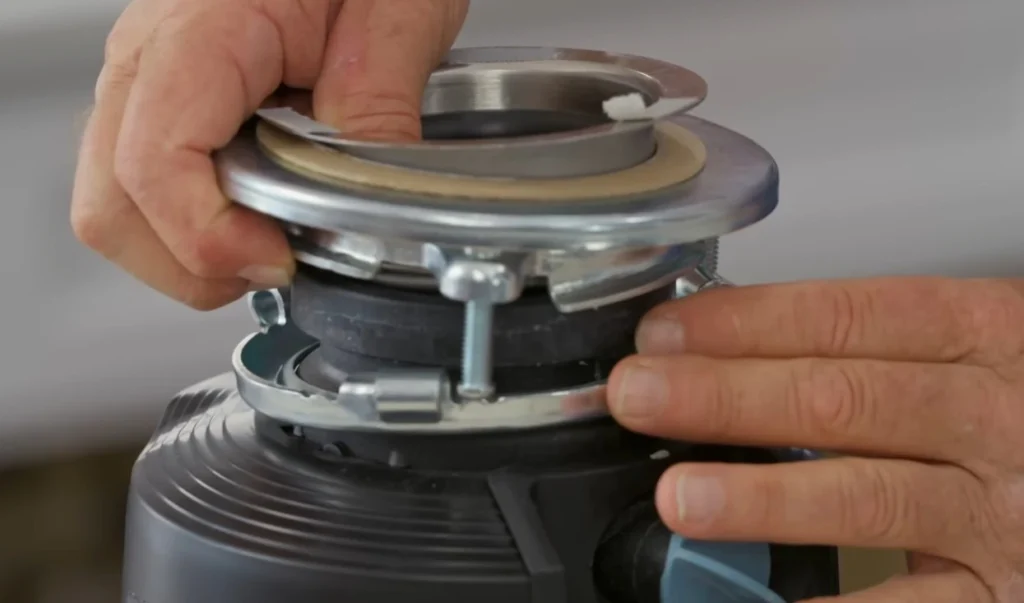
Over time, the plumber’s putty or seal between the sink and disposal can deteriorate. Tighten the mounting bolts. If leaking continues, the sink flange may need to be removed, cleaned, and resealed with fresh plumber’s putty.
Leak from the Side (Discharge Pipe):
Check that the bolts securing the discharge pipe are tight. If tightening doesn’t stop the leak, the gasket between the disposal and pipe may need replacement.
Leak from the Bottom:
This usually indicates internal seal failure or a cracked disposal body. Unfortunately, bottom leaks typically require disposal replacement, as internal seals are not user-serviceable.
Common Problem #4: Slow Draining or Standing Water
Symptoms
Water drains very slowly from your sink, or standing water remains in the basin after running the disposal.
Likely Causes
- Clog in the disposal itself
- Clog in the drain line past the disposal
- Blocked P-trap
- Improper disposal usage (grease buildup)
Troubleshooting Steps
Step 1: Use a Plunger
Fill the sink with 3-4 inches of water, place a cup plunger over the drain, and plunge vigorously for 15-20 seconds. This can dislodge clogs in the disposal or drain line.
Step 2: Check the P-Trap
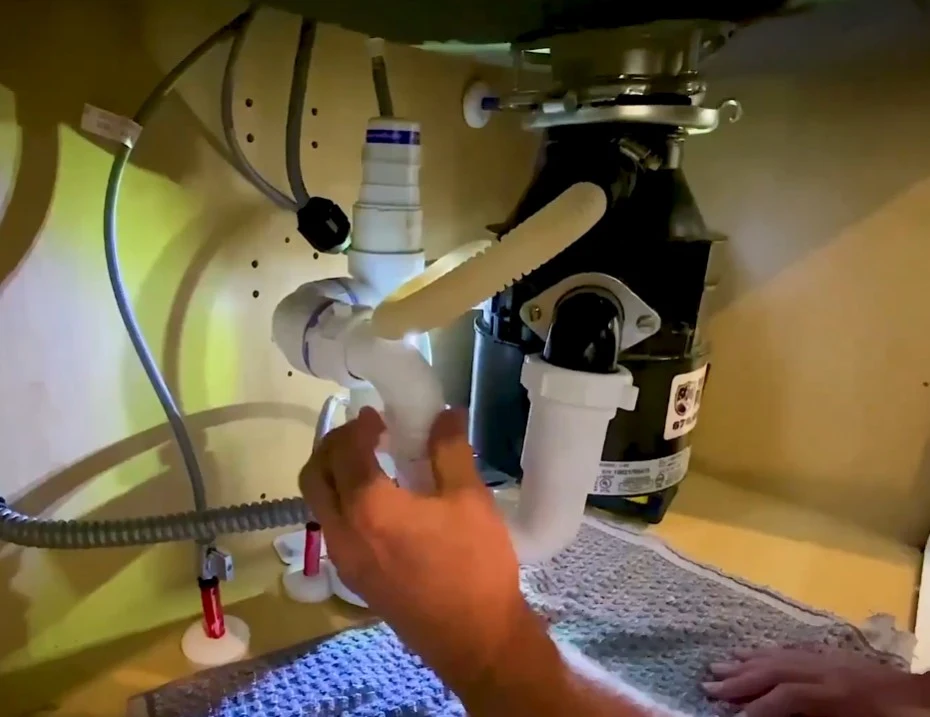
Place a bucket under the P-trap (the curved pipe beneath the sink), then loosen the slip nuts and remove the trap. Clean out any debris and reinstall.
Step 3: Snake the Drain
If the clog is deeper in the line, use a drain snake to break it up. Insert the snake past the disposal into the drainpipe and work it back and forth.
NEVER use chemical drain cleaners in a garbage disposal. These harsh chemicals can corrode the metal components and damage your plumbing. Instead, use natural solutions like baking soda and vinegar.
Common Problem #5: Unpleasant Odors
Symptoms
Foul smells emanating from your garbage disposal, even after cleaning.
Causes and Solutions
Food particles trapped in the disposal or drain create bacterial growth, leading to bad odors.
Natural Cleaning Methods:
- Baking soda and vinegar: Pour 1/2 cup baking soda down the drain, followed by 1 cup white vinegar. Let it fizz for 10 minutes, then flush with hot water
- Ice and rock salt: Pour 2 cups of ice and 1 cup rock salt into the disposal. Run with cold water for 30 seconds to clean and sharpen blades
- Citrus peels: Grind lemon, lime, or orange peels to freshen and deodorize naturally
- Dish soap flush: Add dish soap, fill the sink with cold water, then pull the stopper and run the disposal to flush the system

When to Call a Professional Portland Plumber
While many garbage disposal issues can be resolved with DIY troubleshooting, some situations require professional expertise:
- Motor failure: If the disposal won’t turn on after trying all troubleshooting steps, the motor may be burned out
- Persistent electrical issues: Frequent tripping of the reset button or circuit breaker indicates deeper electrical problems
- Severe leaks: Leaks from the disposal body or complex connection issues
- Age of unit: If your disposal is 10-15 years old and experiencing frequent problems, replacement may be more cost-effective than repairs
- Unusual grinding noises: Loud metal-on-metal sounds may indicate broken internal components
- Complete clogs: When DIY methods can’t clear the blockage
At Plumbing and Sewer Renewal Specialists, we provide expert garbage disposal repair, replacement, and installation services throughout Portland. Our experienced plumbers can quickly diagnose problems and provide cost-effective solutions.
Preventive Maintenance: Keep Your Disposal Running Smoothly
The best way to avoid garbage disposal problems is through proper use and regular maintenance.
What You SHOULD Do
- Run cold water: Always use cold water before, during, and for 15 seconds after using the disposal. Cold water solidifies grease, making it easier to grind and flush
- Use regularly: Run the disposal at least once a week, even without food waste, to prevent rust and corrosion
- Cut food into small pieces: Break larger scraps into smaller pieces before disposal
- Clean monthly: Perform ice and rock salt cleaning or baking soda and vinegar treatment monthly
- Grind citrus peels: Use lemon or orange peels periodically to freshen and clean naturally
- Run it with plenty of water: Water helps flush waste through the system completely
What You Should NEVER Put Down Your Disposal
Knowing what to avoid is crucial for preventing clogs and damage:
- Grease, fats, and oils: These solidify and coat pipes, causing clogs
- Fibrous vegetables: Celery, corn husks, asparagus, and artichokes can tangle around blades
- Starchy foods: Pasta, rice, and potatoes expand when wet and create paste-like clogs
- Coffee grounds: Accumulate like sediment and clog drains
- Eggshells: Membrane can wrap around blades; shells don’t grind effectively
- Bones and pits: Too hard for blades; can damage the motor
- Non-food items: Plastic, paper towels, rubber bands, metal, glass
- Expandable foods: Bread, oatmeal, and similar items swell and gum up the works
- Onion skins and garlic skins: Thin membranes can slip through and clog drains
Portland-Specific Considerations
Portland’s plumbing systems and water conditions present unique factors for garbage disposal care:
- Older homes: Many Portland homes have older plumbing that may be more susceptible to clogs from disposal use. Be extra careful about what goes down the drain
- Municipal regulations: Check local guidelines about garbage disposal use and food waste disposal in Portland
- Hard water in suburbs: Areas like Beaverton, Hillsboro, and other suburbs may have harder water, which can lead to mineral buildup. Consider a water softener to protect your plumbing
How Long Do Garbage Disposals Last?
With proper care and maintenance, garbage disposals typically last 8-15 years. Factors affecting lifespan include:
- Frequency of use
- Quality of the original unit
- Maintenance habits
- Type of waste disposed
- Water hardness in your area
Signs it’s time for replacement:
- Frequent resets or jams
- Persistent leaks that can’t be repaired
- Loss of grinding power
- Loud, unusual noises
- Unit is 10+ years old with recurring problems
Choosing a New Garbage Disposal
If your disposal needs replacement, consider these factors:
- Horsepower: 1/2 HP for small households, 3/4-1 HP for larger families
- Continuous feed vs. batch feed: Continuous feed is more common; batch feed is safer but less convenient
- Noise level: Look for sound-insulated models if noise is a concern
- Warranty: Better units offer 5-10 year warranties
- Grinding stages: Multi-stage grinding handles tougher waste

Get Professional Help in Portland
When your garbage disposal is not working despite DIY troubleshooting—or if you’d rather have a professional handle it from the start—Plumbing and Sewer Renewal Specialists is here to help Portland homeowners with all their garbage disposal needs.
Our garbage disposal services include:
- Expert troubleshooting and diagnosis
- Fast, reliable repairs
- Professional installation of new units
- Recommendations for the right disposal for your household
- Same-day service available
- 24/7 emergency support
- Upfront, honest pricing
- Experienced, licensed plumbers
We’ve been serving Portland for over two decades, providing quality plumbing solutions that last. Whether you need a quick repair, a new installation, pipe coating services, shower installation, or any other plumbing service, we’re here for you.
Garbage disposal giving you trouble? Don’t let a small problem turn into a kitchen disaster. Contact Plumbing and Sewer Renewal Specialists today at 971-803-2042 or schedule service online. Our expert plumbers will get your disposal back in working order quickly and efficiently!
Frequently Asked Questions
Why is my garbage disposal humming but not working?
A humming sound means the motor is receiving power but the flywheel is jammed. Turn off the disposal immediately to prevent motor burnout. Use a hex wrench in the bottom socket to manually rotate the flywheel and free the jam, then remove any obstructions with pliers.
How do I reset my garbage disposal?
Locate the small red or black reset button on the bottom of the disposal unit. Press it firmly until you hear/feel a click. If it won’t stay in, let the motor cool for 10-15 minutes before trying again. After resetting, restore power and test the unit.
Can I use Drano or chemical drain cleaners in my garbage disposal?
No! Never use chemical drain cleaners in a garbage disposal. These harsh chemicals corrode the metal components and can damage your disposal and plumbing. Use natural alternatives like baking soda and vinegar, or call a professional plumber for stubborn clogs.
What should I do if my garbage disposal is leaking?
First, identify where the leak is coming from. Leaks from the top (sink flange) or side (discharge pipe) can often be fixed by tightening connections or replacing gaskets. Leaks from the bottom typically indicate internal seal failure and usually require disposal replacement.
How often should I clean my garbage disposal?
Clean your garbage disposal at least once a month using ice and rock salt or baking soda and vinegar. Run it with citrus peels weekly to keep it fresh. Regular cleaning prevents odors and helps maintain optimal performance.
Why won’t my garbage disposal turn on at all?
Check these in order: (1) Ensure it’s plugged in, (2) Press the reset button on the bottom, (3) Check if the circuit breaker has tripped, (4) Test the wall switch for faults. If none of these work, you may have deeper electrical issues requiring a professional.
Is it safe to put eggshells in the garbage disposal?
No. Despite popular myths, eggshells don’t sharpen blades and can actually cause problems. The thin membrane can wrap around the grinding mechanism, and shell fragments create sediment that clogs drains. Dispose of eggshells in your trash or compost instead.