
 If you’ve noticed stubborn white spots on your dishes, soap scum building up in your shower, or your water heater losing efficiency, you might be dealing with hard water. For Portland homeowners, installing a water softener can be a game-changing investment that protects your plumbing, extends appliance life, and improves your daily water quality. But how much is a water softener actually?
In this comprehensive guide, we’ll break down everything you need to know about water softener costs in 2026, from initial purchase prices to installation fees and ongoing maintenance expenses.
Understanding Water Softener Costs: The Big Picture
In Portland, Oregon, the total cost of installing a water softener typically ranges from $910 to $2,348, including both materials and professional installation. However, this price can vary significantly based on several factors, including the type of system you choose, your home’s size, and the complexity of the installation.
Nationally, homeowners pay between $200 and $6,000 for water softener systems, with most spending around $1,500 for a standard-sized unit with professional installation. The wide price range reflects the diversity of available systems and installation requirements.
Breaking Down Water Softener Costs by Type
The type of water softener you choose will have the biggest impact on your total cost. Here’s what you can expect to pay for different systems:
Salt-Based Ion Exchange Systems: $500 – $3,000
Salt-based water softeners are the most popular choice for residential use and typically cost between $500 and $3,000. These systems work through ion exchange, replacing hard water minerals like calcium and magnesium with sodium ions. Single-tank models range from $500 to $1,700, while dual-tank systems cost $1,000 to $5,000.
According to This Old House, dual-tank systems offer the advantage of a continuous soft water supply, as one tank regenerates while the other remains operational. This makes them ideal for larger households with high water usage.
Salt-Free Water Softeners: $500 – $4,000
Salt-free systems, also called water conditioners, typically cost more upfront at $1,500 to $4,500. These systems don’t actually remove minerals but instead condition the water to prevent scale buildup. While they require less maintenance and don’t add sodium to your water, they’re generally less effective for homes with extremely hard water.
Reverse Osmosis Systems: $1,500 – $11,000
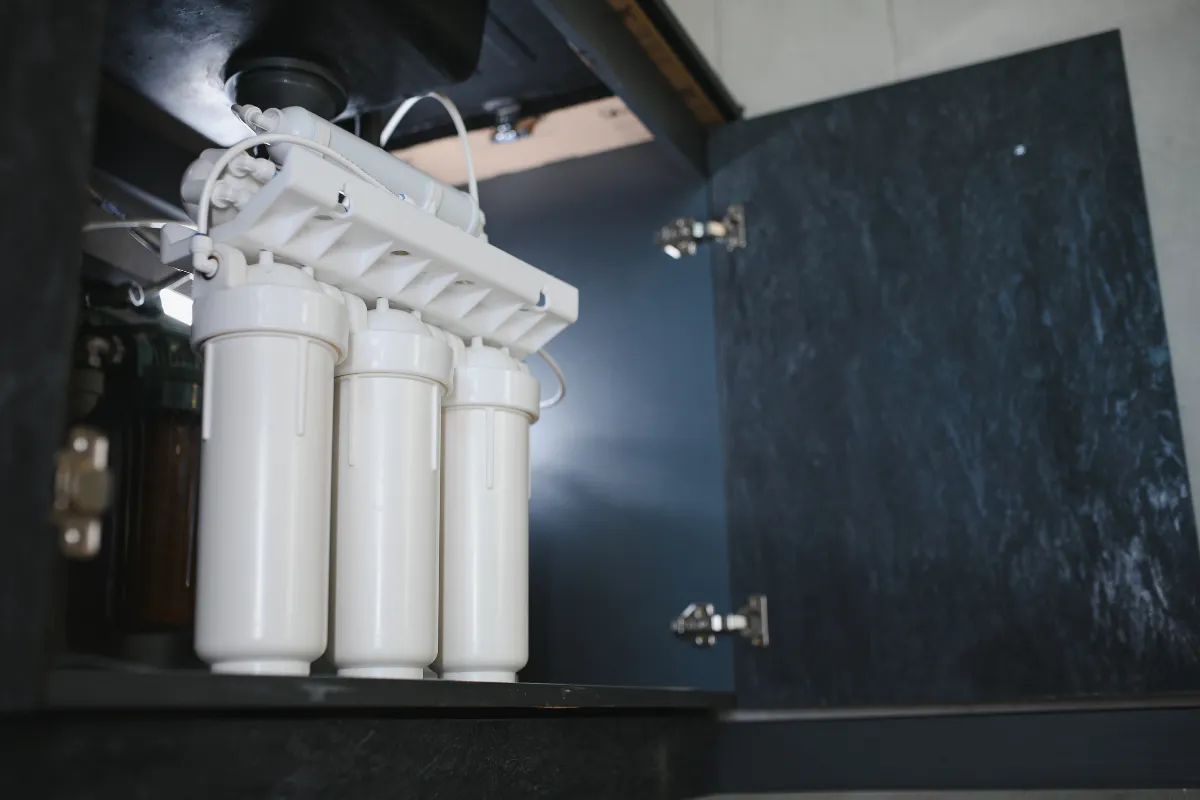
Reverse osmosis systems provide the most comprehensive water treatment, removing not only hardness minerals but also contaminants like chlorine, bacteria, and heavy metals. Point-of-use units (like under-sink models) cost around $1,500 to $1,800, while whole-home systems can reach $4,000 to $11,000.
Magnetic/Electromagnetic Systems: $200 – $600
Magnetic water softeners are the most affordable option, ranging from $200 to $600. These compact units use magnetic fields to neutralize mineral ions, preventing them from bonding to surfaces. They work best in areas with lower water hardness and are ideal for small spaces.
Installation Costs in Portland
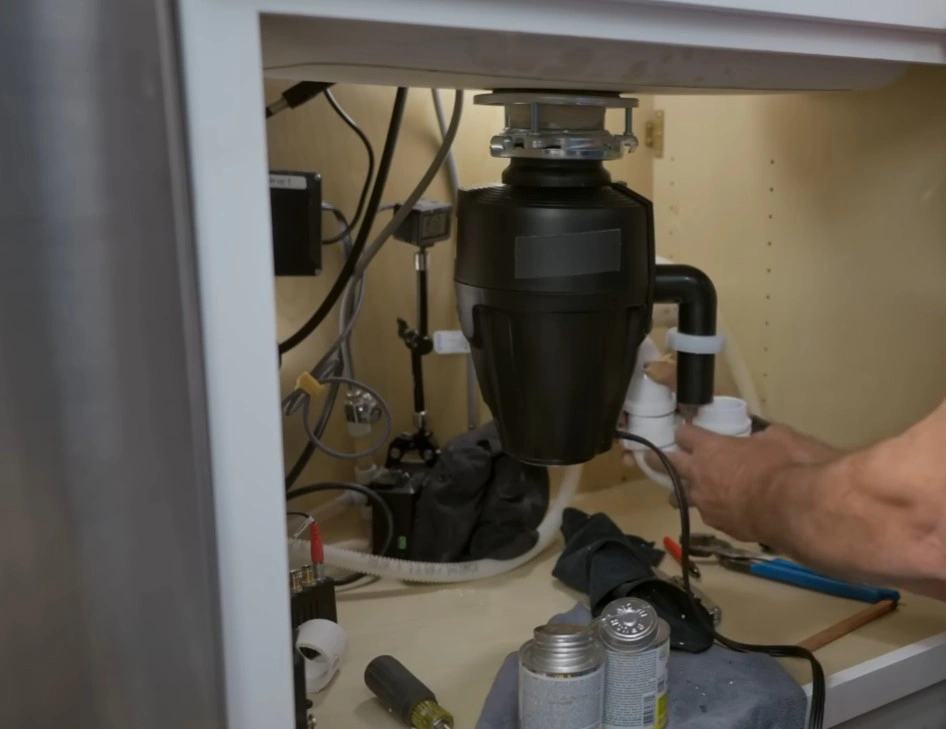
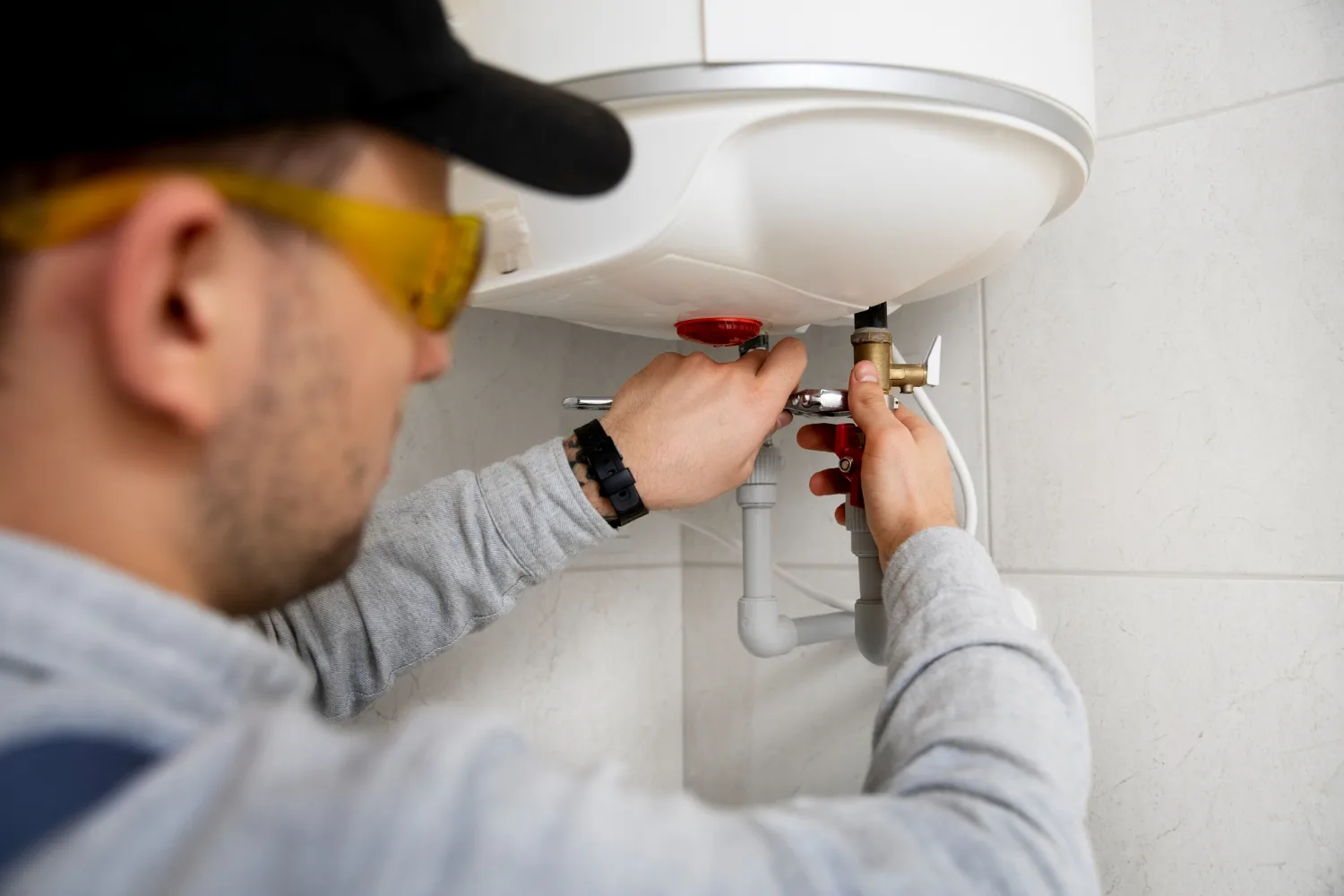
Professional installation is highly recommended for water softeners, as the process involves working with copper pipes, electrical wiring, and proper calibration. In Portland, labor costs typically range from $150 to $1,000, with most homeowners paying around $500 to $1,200 for professional installation.
The installation complexity depends on several factors:
- Plumbing accessibility: Systems installed near the main water line are easier and less expensive to install
- Additional plumbing work: New pipes cost $0.50 to $8 per linear foot
- Electrical requirements: Some systems need dedicated electrical circuits, adding $250 to $900
- Permits and inspections: Local building codes may require permits, typically costing $50 to $150
At Plumbing and Sewer Renewal Specialists, we provide free estimates and ensure your water softener installation meets all Portland building codes while delivering optimal performance for your home.
Sizing Your Water Softener: Capacity Matters
Water softener capacity is measured in grains, and choosing the right size is crucial for both performance and cost-effectiveness. Here’s how to calculate the size you need:
- Test your water hardness (measured in grains per gallon or GPG)
- Multiply the number of people in your home by 90 gallons (average daily water use per person)
- Multiply that result by your GPG score
- Multiply by seven to get your ideal weekly capacity
For example, a family of four with water hardness of 10 GPG would need approximately 25,200 grains of capacity (4 × 90 × 10 × 7 = 25,200).
Water Softener Costs by Capacity:
- 24,000-32,000 grains: $300 – $500 (suitable for 2-4 people)
- 48,000-64,000 grains: $800 – $1,500 (suitable for 4-6 people)
- 80,000-96,000 grains: $1,700 – $2,500 (suitable for larger households)
 Understanding Portland’s Water Hardness
 Understanding Portland’s Water Hardness
Portland generally has softer water compared to many parts of the United States, thanks to the city’s water sources from the Bull Run Watershed and Columbia South Shore Well Field. However, some suburban areas like Beaverton, Hillsboro, and surrounding communities may experience moderate to hard water, especially if supplied by well water.
According to local plumbing experts, water hardness varies significantly across the Pacific Northwest. While Portland’s city water is relatively soft, surrounding suburbs and areas relying on groundwater often experience higher mineral content.
If you notice any of these signs, you may benefit from a water softener:
- Mineral buildup or white spots on faucets and fixtures
- Cloudy or spotted glassware after washing
- Soap scum accumulation in showers and sinks
- Dry, itchy skin or dull hair after bathing
- Reduced water pressure from mineral clogging
- Increased water heating costs
Ongoing Maintenance and Operating Costs
Beyond the initial purchase and installation, water softeners have ongoing costs you should factor into your budget:
Salt and Supplies
Salt-based systems require regular salt refills. Most homeowners spend $50 to $150 per year on water softener salt, with a 40-pound bag costing $5 to $10. High-efficiency systems use less salt per regeneration cycle, reducing long-term operating costs.
Potassium chloride, an alternative to sodium chloride for those on low-sodium diets, costs approximately $50 to $70 per bag, making it more expensive than traditional salt.
Electricity Costs
According to plumbing industry estimates, electricity costs for running a water softener are minimal, averaging around $10 to $15 annually, similar to a small appliance.
Maintenance and Repairs
Annual maintenance typically costs $100 to $300 and includes system inspection, cleaning the brine tank, checking salt levels, and ensuring proper operation. According to the U.S. Department of Energy, regular maintenance is essential for optimal performance and can extend your system’s lifespan to 10-15 years.
Long-Term Savings and Benefits
While water softeners represent a significant upfront investment, they can save you money in several ways:
- Extended appliance lifespan: Preventing scale buildup protects water heaters, dishwashers, and washing machines from mineral damage
- Lower energy costs: Water heaters operate more efficiently without mineral buildup, reducing heating costs
- Reduced soap and detergent use: Soft water requires less soap for effective cleaning, lowering household supply costs
- Fewer plumbing repairs: Preventing mineral buildup in pipes reduces the risk of clogs and corrosion
- Better skin and hair: Soft water is gentler, potentially reducing the need for moisturizers and hair treatments
Research suggests that soft water can improve soap efficiency by up to 50%, meaning you’ll use less detergent, shampoo, and cleaning products over time.
DIY vs. Professional Installation
While DIY installation might seem like a cost-saving option, we strongly recommend professional installation for several reasons:
- Safety: Working with water and electricity together poses serious risks
- Proper sizing: Professionals ensure you get the right capacity for your household needs
- Code compliance: Portland has specific plumbing codes that must be followed
- Warranty protection: Many manufacturers require professional installation to maintain warranty coverage
- Correct calibration: Improper settings can make water too soft, creating new problems
Our experienced team at Plumbing and Sewer Renewal Specialists handles installations quickly and correctly, ensuring your system operates at peak efficiency from day one.
Additional Factors Affecting Water Softener Costs
 Additional Factors Affecting Water Softener Costs
Advanced Features
Modern water softeners come with various features that can increase the price but provide added convenience:
- Digital controls: Programmable settings and LCD displays
- Smart technology: Wi-Fi connectivity and mobile app control
- High-efficiency regeneration: Sensors that optimize salt and water usage
- Demand-initiated regeneration: Systems that regenerate based on actual usage rather than timers
Water Quality Testing
Before installing a water softener, it’s essential to test your water hardness. Professional water testing is often free from local plumbing companies or water treatment specialists. DIY test kits are available at hardware stores for around $10, though professional testing provides more accurate results.
Existing Plumbing Condition
If your home has older plumbing or requires modifications to accommodate the water softener, costs may increase. Our team can assess your existing plumbing during a free consultation and provide an accurate estimate. We also specialize in pipe coating and trenchless excavation if your pipes need additional protection or replacement.
Choosing the Right Water Softener for Your Portland Home
When selecting a water softener, consider these key factors:
- Water hardness level: Get professional testing to determine your exact needs
- Household size: Larger families need higher capacity systems
- Budget: Balance upfront costs with long-term savings
- Space availability: Ensure you have adequate room for installation
- Maintenance preferences: Consider whether you want a low-maintenance salt-free system or the superior performance of salt-based models
- Environmental concerns: Salt discharge regulations may affect your choice
Financing Options
Many plumbing companies, including Plumbing and Sewer Renewal Specialists, offer financing options to make water softener installation more affordable. Breaking the cost into monthly payments can make this valuable upgrade accessible without straining your budget.
When to Replace vs. Repair Your Water Softener
If you already have a water softener that’s not performing well, deciding between repair and replacement depends on several factors:
- Age: If your system is over 10-15 years old, replacement may be more cost-effective
- Repair costs: If repairs exceed 50% of replacement cost, consider a new system
- Efficiency: Newer models offer better efficiency and smart features
- Frequent issues: Recurring problems indicate it’s time for replacement
Water softener replacement costs are similar to new installation, typically ranging from $910 to $2,348 in Portland, including removal of the old unit.
Get Expert Help with Your Water Softener Installation
 Get Expert Help with Your Water Softener Installation
Investing in a water softener is a smart decision that protects your plumbing system, improves water quality, and saves money over time. While costs vary based on system type, capacity, and installation requirements, most Portland homeowners can expect to invest between $910 and $2,348 for a complete installation.
At Plumbing and Sewer Renewal Specialists, we’ve been serving Portland homeowners for over two decades with quality plumbing solutions that last a lifetime. Our experienced team provides:
- Free, no-obligation estimates
- Professional installation by licensed plumbers
- 24/7 emergency services
- Competitive pricing and financing options
- Comprehensive warranty coverage
Whether you’re dealing with hard water issues, need shower installation, require water line maintenance, or need any plumbing service, we’re here to help.
Ready to enjoy the benefits of soft water? Contact Plumbing and Sewer Renewal Specialists today at 971-803-2042 or schedule your free consultation online. Let us help you choose the perfect water softener system for your Portland home!
Frequently Asked Questions
How long does a water softener last?
With proper maintenance, a quality water softener typically lasts 10-15 years. Regular servicing and timely salt refills can help extend the system’s lifespan.
Is it safe to drink softened water?
Yes, softened water is safe to drink for most people. However, those on strict low-sodium diets may want to use potassium-based systems or install a reverse osmosis filter at their drinking water tap.
Can I install a water softener myself?
While DIY installation is possible with plumbing knowledge, professional installation is recommended to ensure proper sizing, code compliance, warranty protection, and safe operation.
Do I really need a water softener in Portland?
While Portland’s city water is relatively soft, many suburban areas experience moderate to hard water. If you notice mineral buildup, cloudy glassware, or other hard water symptoms, a water softener can be beneficial.
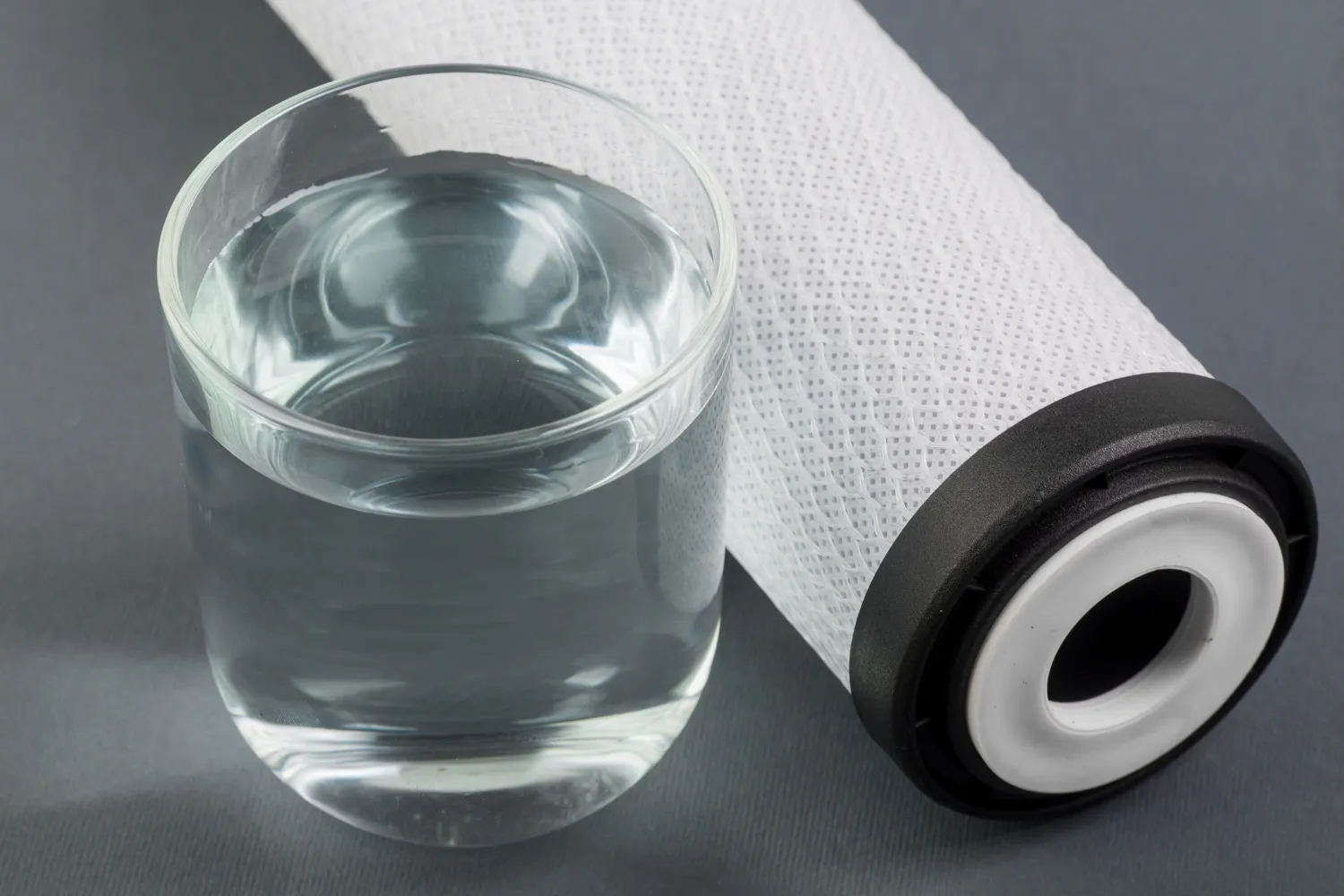
What’s the difference between a water softener and a water filter?
A water softener removes minerals like calcium and magnesium that cause hardness, while a water filter removes contaminants like chlorine, sediment, and heavy metals. Some homes use both systems for optimal water quality.