
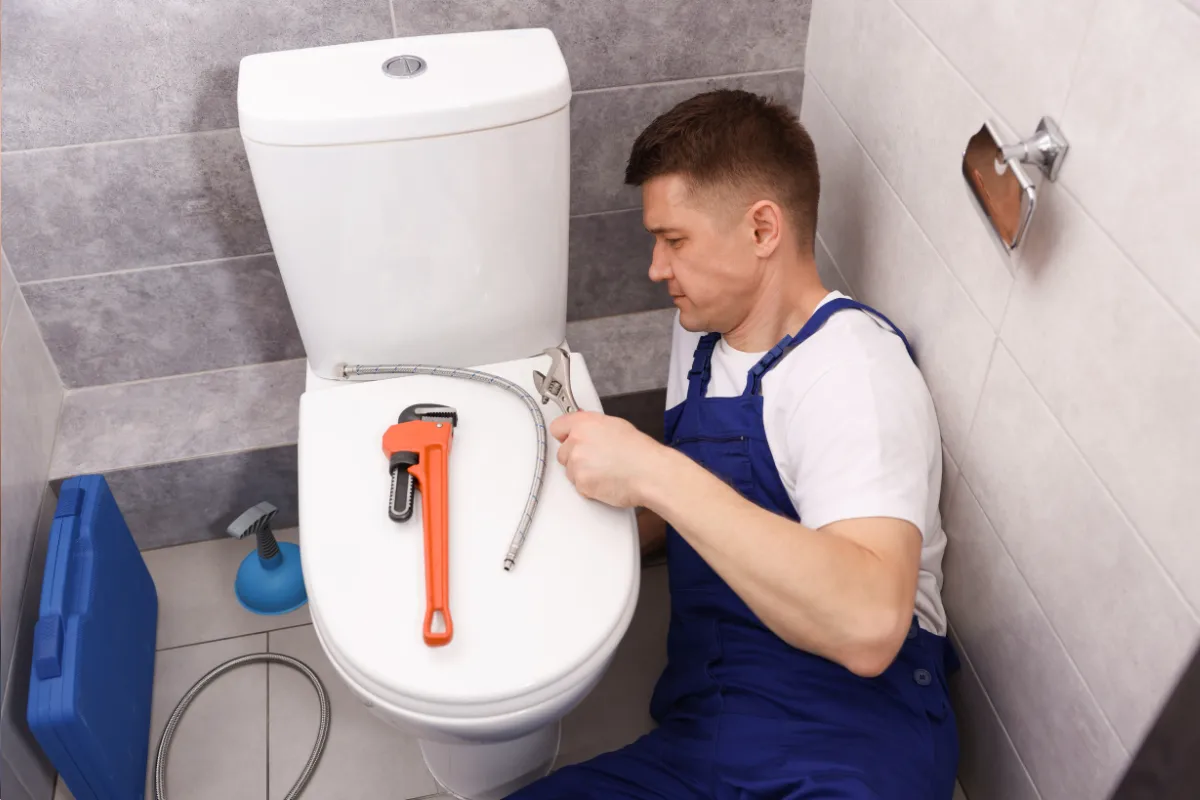
A running toilet is one of the most common plumbing problems homeowners face. While it may seem like a small issue at first, a running toilet can waste hundreds of gallons of water per day and significantly increase your water bill. The constant sound of running water is also frustrating and often indicates that something inside the toilet tank is not working properly.
The good news is that most running-toilet issues are simple and inexpensive to fix. In many cases, you can resolve the problem yourself with basic tools and a little guidance. This comprehensive guide explains how to fix a running toilet, what causes the issue, and when to call a professional plumber.
What Does It Mean When a Toilet Is Running
A toilet is considered running when water continues to flow from the tank into the bowl long after the toilet has been flushed. Instead of stopping once the tank reaches the correct water level, the system keeps pulling in new water to replace what is constantly leaking out. This cycle can continue quietly or create a noticeable running or hissing sound that never fully stops.
A running toilet usually means that one or more components inside the tank are not working as intended. These parts are designed to control water flow and shut the system off once the tank is full. When even a small part fails to seal, adjust, or shut off properly, water continues to move through the system. Understanding how these internal components work together is the first step in diagnosing the problem and fixing it correctly before it leads to higher water bills or long-term plumbing issues.
Common Causes of a Running Toilet
Most running toilets are caused by problems inside the tank rather than the bowl itself. These issues are usually mechanical and related to normal wear and tear over time. Below are the most common reasons a toilet continues to run after flushing.
Worn or Damaged Flapper
The flapper is a rubber seal located at the bottom of the toilet tank. When you flush, the flapper lifts to allow water to rush into the bowl. Once the tank empties, the flapper should drop back into place and form a tight seal over the flush valve opening.
Over time, flappers can become warped, brittle, or cracked due to age, mineral deposits, or exposure to cleaning chemicals. When the flapper no longer seals completely, small amounts of water leak from the tank into the bowl. This slow leak causes the fill valve to turn on repeatedly, making the toilet run continuously even when it has not been flushed.
Improper Float Height
The float controls how much water fills the toilet tank after each flush. It is designed to rise with the water level and signal the fill valve to shut off once the tank is full. If the float is set too high, the fill valve may not turn off at the right time.
When this happens, excess water flows into the overflow tube instead of staying in the tank. This constant overflow causes the toilet to keep running and wastes a significant amount of water. Float height issues are common and are often easy to correct with a simple adjustment.
Faulty Fill Valve
The fill valve is responsible for refilling the toilet tank after each flush. When it functions properly, it opens to allow water in and then shuts off once the tank reaches the correct level. Over time, fill valves can wear out, stick open, or become clogged with sediment and mineral buildup.
A faulty fill valve may fail to shut off completely, allowing water to continue flowing into the tank nonstop. This problem is more common in older toilets and in homes with hard water, where mineral deposits can interfere with the valve’s operation.
Chain Problems
The chain connects the flush handle to the flapper and plays a key role in opening and closing the flush valve. For the toilet to function correctly, the chain must have the right amount of slack.
If the chain is too tight, it can hold the flapper slightly open, preventing it from sealing fully. If the chain is too loose, it may slip underneath the flapper or become tangled, also stopping the flapper from closing properly. Either situation can cause water to leak from the tank into the bowl and result in a constantly running toilet.
Tools and Supplies You May Need
Before you begin fixing a running toilet, gather these basic items.
- Adjustable wrench
- Screwdriver
- Replacement flapper
- Replacement fill valve if needed
- Small towel or container
Most toilet repair parts are inexpensive and available at any hardware store.
Step One: Remove the Tank Lid and Inspect the Inside
Carefully lift the toilet tank lid and place it somewhere safe. Flush the toilet and observe what happens inside the tank.
Look for the following signs.
- Water continuously flowing into the bowl
- Water spilling into the overflow tube
- A flapper that does not fully close
- A float that sits too high
This visual inspection often reveals the cause right away.
 Step Two: Turn Off the Water Supply
 Step Two: Turn Off the Water Supply
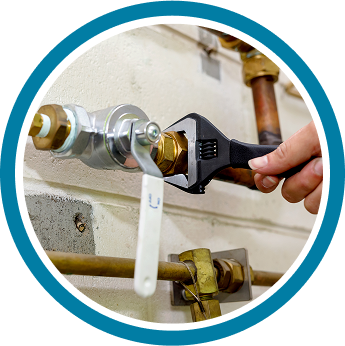
Before making any repairs, turn off the water supply valve located behind or below the toilet. Turn the valve clockwise until it stops.
Flush the toilet once to drain most of the water from the tank. This makes it easier to work on the internal components.
Step Three: Fix or Replace the Flapper
The flapper is the most common cause of a running toilet.
How to Check the Flapper
Remove the flapper by unhooking it from the pegs on the overflow tube. Inspect it closely. If it feels brittle, looks misshapen, or has visible cracks, it should be replaced.
Even if it looks fine, flappers often fail to seal properly after several years.
How to Replace the Flapper
Attach the new flapper to the same pegs on the overflow tube. Connect the chain to the flush handle lever, leaving a small amount of slack. The flapper should sit flat over the flush valve opening.
Turn the water supply back on briefly to test the seal. If the water stops filling once the tank is full, the issue may already be fixed.
Step Four: Adjust the Chain Length
If the chain is too tight, it can hold the flapper open slightly. If it is too loose, it can slip under the flapper.
Adjust the chain so there is just enough slack for the flapper to close completely while still lifting fully when you flush. This small adjustment can make a big difference.
Step Five: Adjust the Float Level
If the toilet still runs, check the float height.
For Float Cup Style Toilets
Look for an adjustment screw on the fill valve. Turning the screw clockwise lowers the float, which lowers the water level in the tank.
For Float Ball Style Toilets
Gently bend the float arm downward so the float shuts off the water sooner.
The correct water level should sit about one inch below the top of the overflow tube.
Step Six: Clean or Replace the Fill Valve
If adjusting the float does not stop the running, the fill valve may be worn or clogged.
Cleaning the Fill Valve
Turn off the water supply again. Remove the top of the fill valve and rinse out any debris. Mineral buildup can prevent the valve from closing fully.
Replacing the Fill Valve
If cleaning does not work, replacing the fill valve is often the best solution. Most modern fill valve kits include clear instructions and can be installed in under an hour.
Once installed, turn the water supply back on and allow the tank to fill.
Step Seven: Test the Toilet
After completing the repairs, flush the toilet several times.
Make sure the tank fills properly and stops at the correct level. Listen closely for any continued running sounds. If the water shuts off completely after each flush, the repair was successful.
How Much Water a Running Toilet Wastes
 How Much Water a Running Toilet Wastes
A running toilet may waste up to two hundred gallons of water per day. Over a month, this can add thousands of gallons to your water usage. Fixing the problem quickly not only saves money but also reduces unnecessary water waste.
Preventing Future Running Toilet Problems
You can reduce the chances of future issues by following these tips.
- Avoid using in-tank chemical cleaners that damage rubber parts
- Inspect flappers and fill valves every few years
- Replace worn components early instead of waiting for failure
- Address small leaks before they become constant running
Routine maintenance keeps your toilet working efficiently for years.
When to Call a Professional Plumber
While most running toilet issues are easy to fix, some situations require professional help.
- Call a plumber if the toilet continues running after replacing parts
- You notice cracks in the tank or internal components
- Water leaks around the base of the toilet
- You prefer expert diagnosis and long-term solutions
Professional plumbers can identify hidden problems and ensure repairs are done correctly the first time.
Final Thoughts
Learning how to fix a running toilet is a valuable skill for any homeowner. In most cases, the solution is simple and affordable, requiring only a few replacement parts and basic adjustments.
By addressing the problem early, you can prevent wasted water, avoid higher utility bills, and extend the life of your plumbing system. If the repair feels overwhelming or the problem persists, professional plumbing help is always a smart option.